 Bahasa Indonesia
  English
  Türkçe
  Deutsch
  العربية
  中文
中文  Русский
  Español
 Blog
Featured 
Culture & Arts
Getting to Know Indonesia's Cultural Wealth That Stays Alive Amid Changing Times
Indonesian culture, cultural wealth, Indonesian cultural heritage, Indonesian traditions, cultural preservation, local culture, local wisdom, culture in the digital age This article looks at how Indonesia's cultural wealth, such as batik, wayang, oral traditions, and customary ceremonies, endures amid modernization thanks to digitalization, cultural education, tourism, and cross-generational collaboration. Preserving culture matters for safeguarding the nation's identity while also strengthening Indonesia's appeal on the global stage.
Latest Posts

Managing Your Money Wisely Amid an Ever-Rising Cost of Living
This article discusses how to adopt a frugal lifestyle that stays relevant and enjoyable for young people, from telling needs and wants apart, saving first, reducing FOMO, and using promos wisely, to trying thrifting and cooking for yourself. The point is that being frugal doesn't mean holding back from pleasure, but making smarter financial choices. frugal lifestyle, saving money as a young adult, money saving tips, frugal living, personal finance for young adults, frugal but fun, budgeting for young adults

Being Productive Does Not Mean Being Busy: How to Live Your Day with More Direction
This article explains that true productivity is not the same as busyness. By setting the main priorities, limiting multitasking, making room for pauses, and reflecting on each day, anyone can organize their day to be more meaningful and productive without getting trapped in exhausting busyness.

Umrah for beginners: What is Umrah and how is it performed?
Umrah is the act of worship of visiting the House of Allah in Makkah by performing a specific series of rites, namely ihram and intention, tawaf, sa'i, and tahallul, in accordance with the guidance of the Shariah.
Before you depart, set your intention straight first. Umrah is not merely a trip to the Holy Land, not a way to gain people's recognition, photos, or just religious tourism. Intend all of it for the sake of Allah and in hope of His pleasure.
Umrah is one of the acts of worship that have many virtues. A hadith states that one Umrah to the next is a cause for the erasure of the sins committed between them. Umrah is also one of the deeds recommended for a Muslim who has the means.
So do not prepare only your suitcase and passport. Prepare your heart, your knowledge, your patience, and your intention as well.
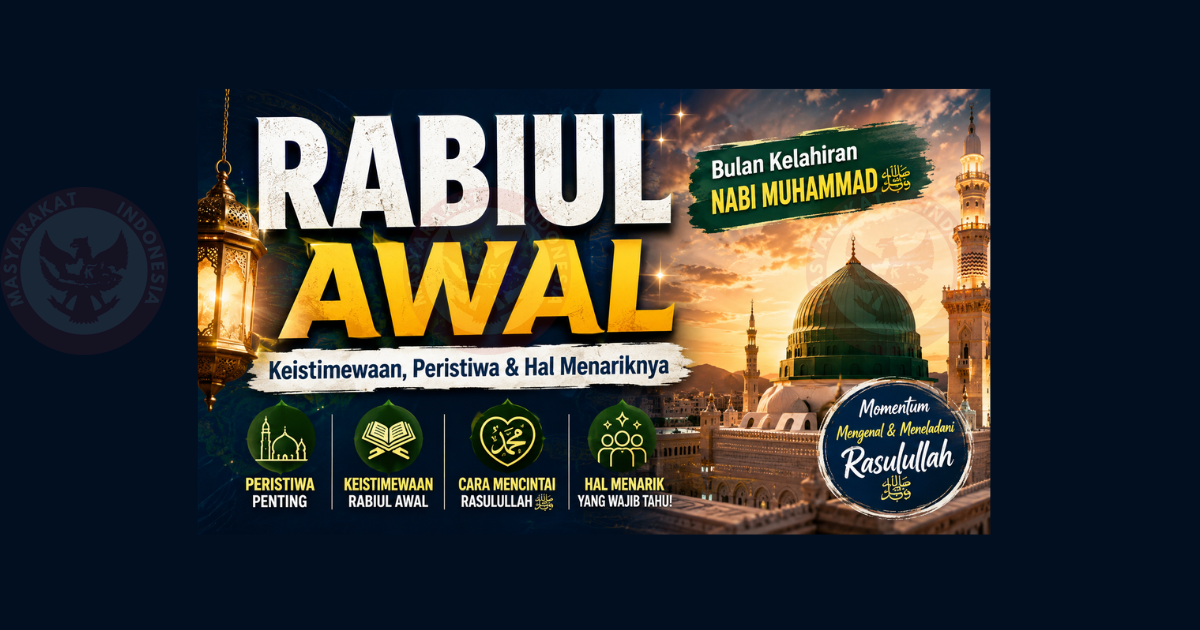
Rabi' al-Awwal: when history teaches us the meaning of loving the Messenger of Allah ﷺ
A month that holds many memories of the Messenger of Allah ﷺ
Rabi' al-Awwal has a special place in the life story of the Prophet Muhammad ﷺ.
This month is associated with his birth in Makkah. The birth of the Messenger of Allah ﷺ marked the beginning of the life journey of a man who would later bring great change to the world.
He grew up as someone known for his noble character. Even before he received revelation, the people of Makkah knew him as Al-Amin, the trustworthy one.
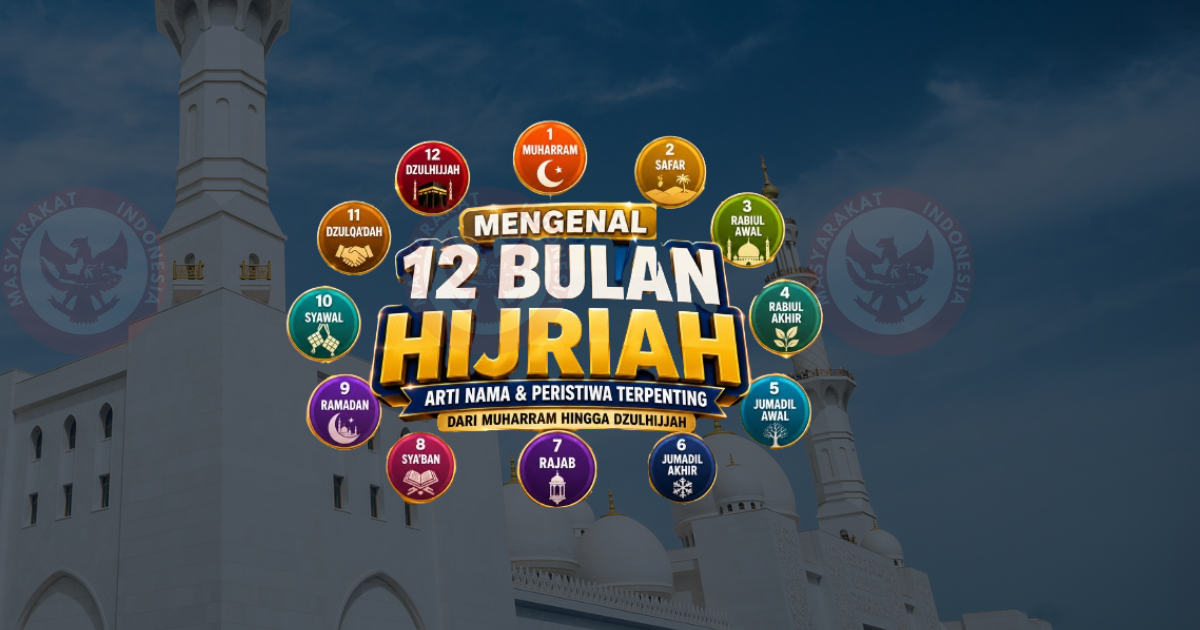
12 Months in the Hijri Calendar: Names, Meanings, Virtues, and the Key Events Within Them
Why Do We Need to Know the Hijri Calendar?
The Hijri calendar is not only about knowing when Ramadan begins.
It is part of the identity and history of the Muslim community.
By getting to know it, we will better understand why Muharram is honored, why Ramadan is so special, why Dhul-Hijjah is the month of Hajj, and why Rabi' al-Awwal is so closely tied to the story of the Messenger of Allah ﷺ.
More importantly, the Hijri calendar teaches that time in Islam always carries an opportunity to draw closer to Allah.
There is a month for fasting more often.
There is a month that reminds us of the Messenger of Allah ﷺ.
There is a month that brings us to the Qur'an.
There is a month that brings millions of people toward Arafat.
And all of it turns within a single cycle:
Muharram → Safar → Rabi' al-Awwal → Rabi' al-Akhir → Jumada al-Ula → Jumada al-Akhirah → Rajab → Sha'ban → Ramadan → Shawwal → Dhul-Qa'dah → Dhul-Hijjah.
Then everything returns to Muharram again.
Years change, months change, but one thing stays the same:
time that has passed will never return.
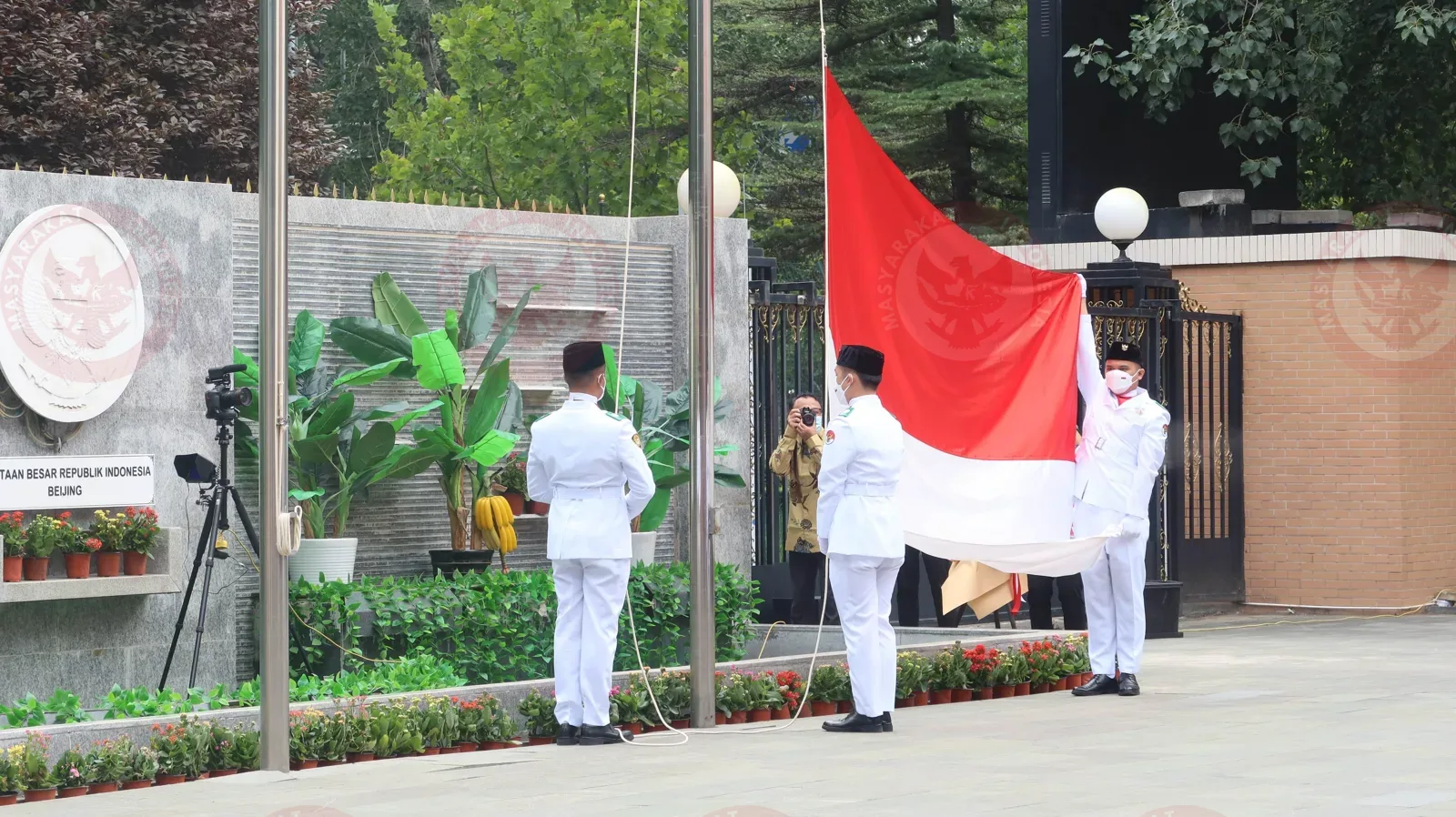
81 Years of Indonesian Independence: A Brief History and Its Significance for the Indonesian Diaspora
Independence did not instantly resolve all of the nation's challenges.
Following the proclamation, Indonesia still had to defend its sovereignty and build a newly established state.
The struggle continued through various avenues—armed conflict, diplomacy, the building of state institutions, and efforts to foster a better life for the people.
Therefore, independence is not merely a historical event from 1945.
It is also an ongoing process, passed down from one generation to the next.
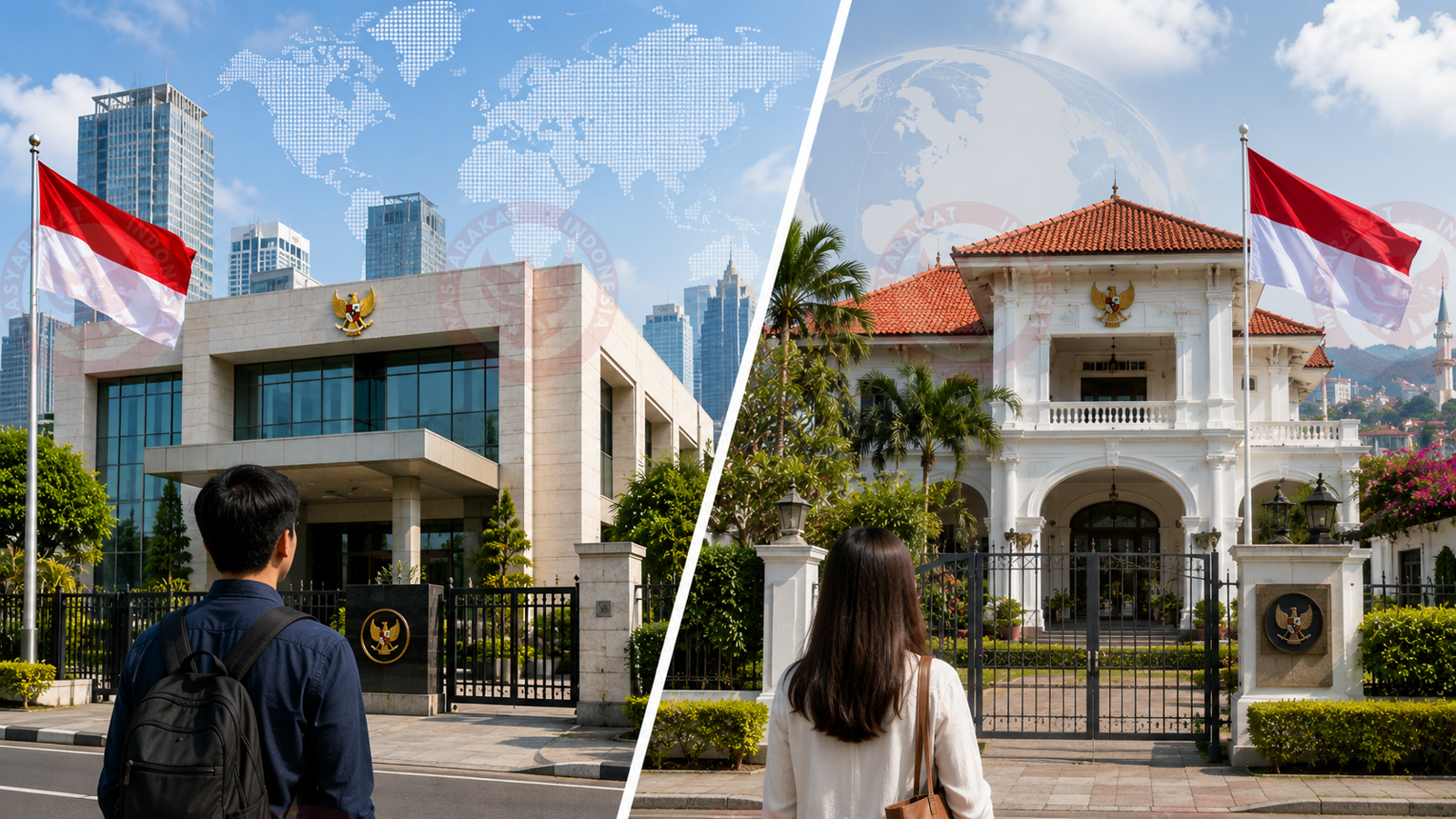
What is the difference between KBRI and KJRI? Many WNI still get it wrong
Living far from Indonesia does not mean we have no access to the state.
KBRI and KJRI are an important part of Indonesia's presence abroad.
For that reason, every WNI should keep the contact details of the nearest Indonesian representative office, know its area of jurisdiction, and follow official information from the Ministry of Foreign Affairs and the Indonesian representative offices.
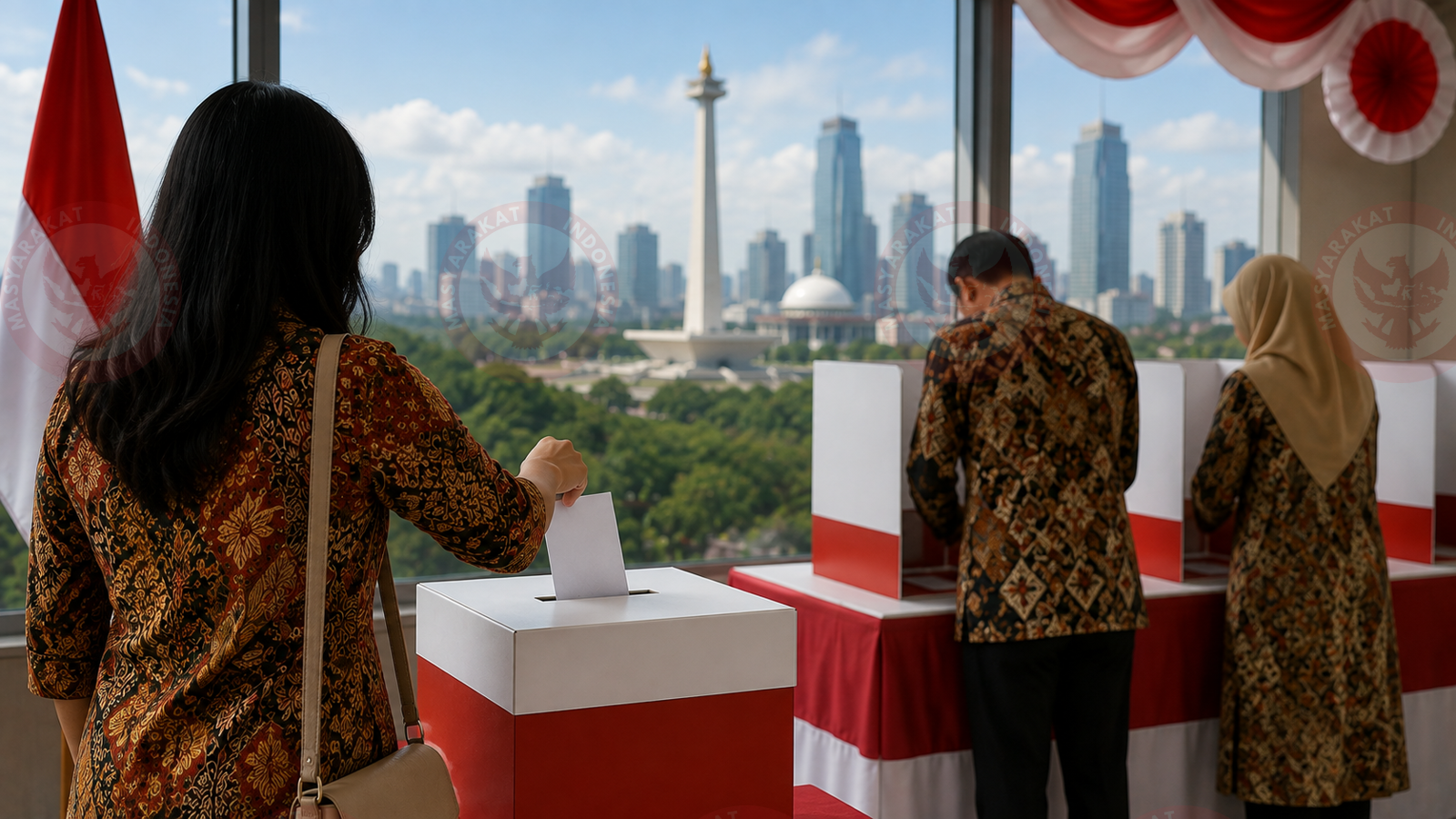
Indonesian Citizens Abroad and Political Rights: Can You Still Vote in Indonesian Elections?
Not every Indonesian citizen knows how to register, how to check their voter data, or how to use the voting methods available.
For that reason, increasing the political participation of the diaspora takes more than simply saying, “Use your right to vote.”
Information that is easy to understand and adequate access are also essential parts of democracy.
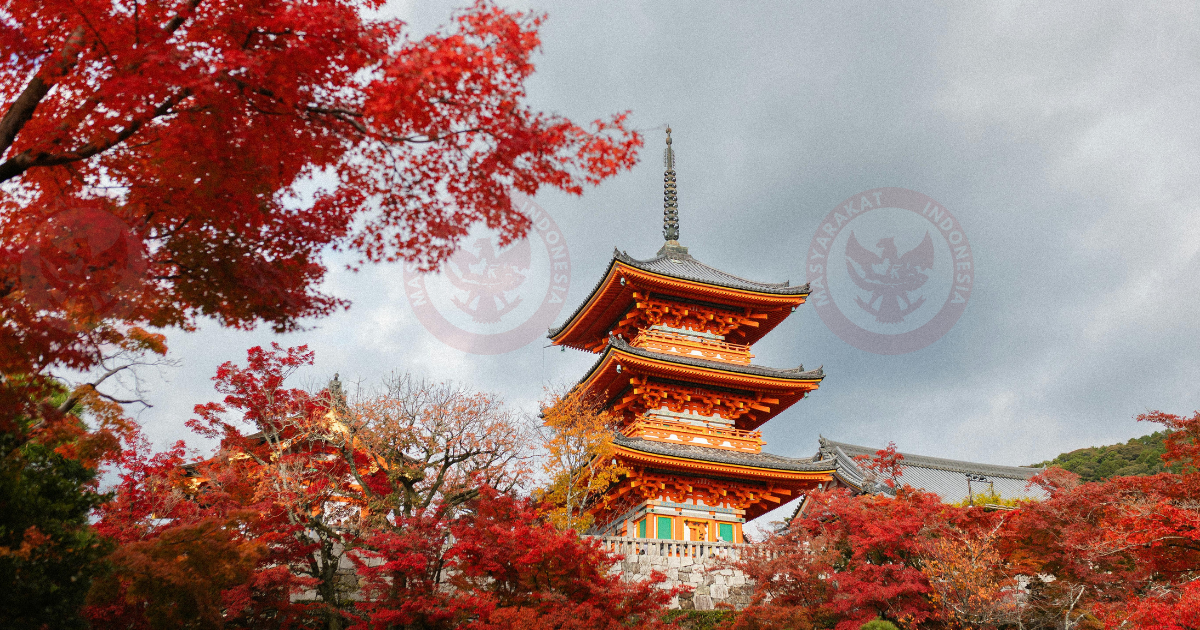
How to Register for the Japan Visa Waiver (Indonesian e-Passport)
For Indonesian citizens (WNI) holding an e-passport and residing in Indonesia, online registration is done through JAVES; the requirements include an ICAO-standard e-passport, a short-visit purpose, entering Japan by air, and a maximum stay of 15 days. The online process is currently stated to take about 2 business days, though it can take longer during Japanese holidays.

Does Having an e-Passport Mean Visa-Free Entry to Japan? 🇯🇵 Here Are the Actual Requirements!
An e-Passport has a chip that stores biometric data. This provides an extra layer of security and helps immigration officers confirm that the passport truly belongs to its holder.
Because it follows international electronic passport standards, the data on an e-Passport can be read by compatible inspection systems in many countries.
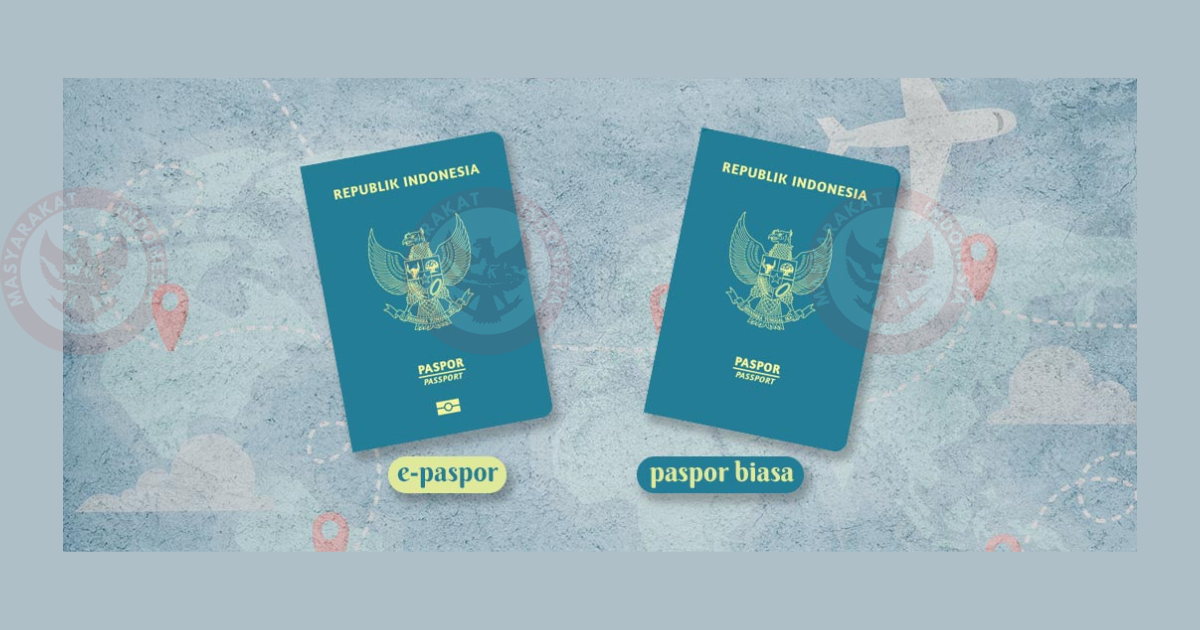
What Is the Difference Between an Ordinary Passport and an e-Passport?
The main difference between an e-Passport and an ordinary passport is the electronic chip that stores the passport holder's biometric data.
This chip acts as an additional layer of security and helps officers verify identity.
Because it has these electronic security features, an e-Passport is also harder to forge than a travel document without a chip.