 Bahasa Indonesia
  English
  Türkçe
  Deutsch
  العربية
  中文
中文  Русский
  Español
 #Isra and Mi'raj
2 items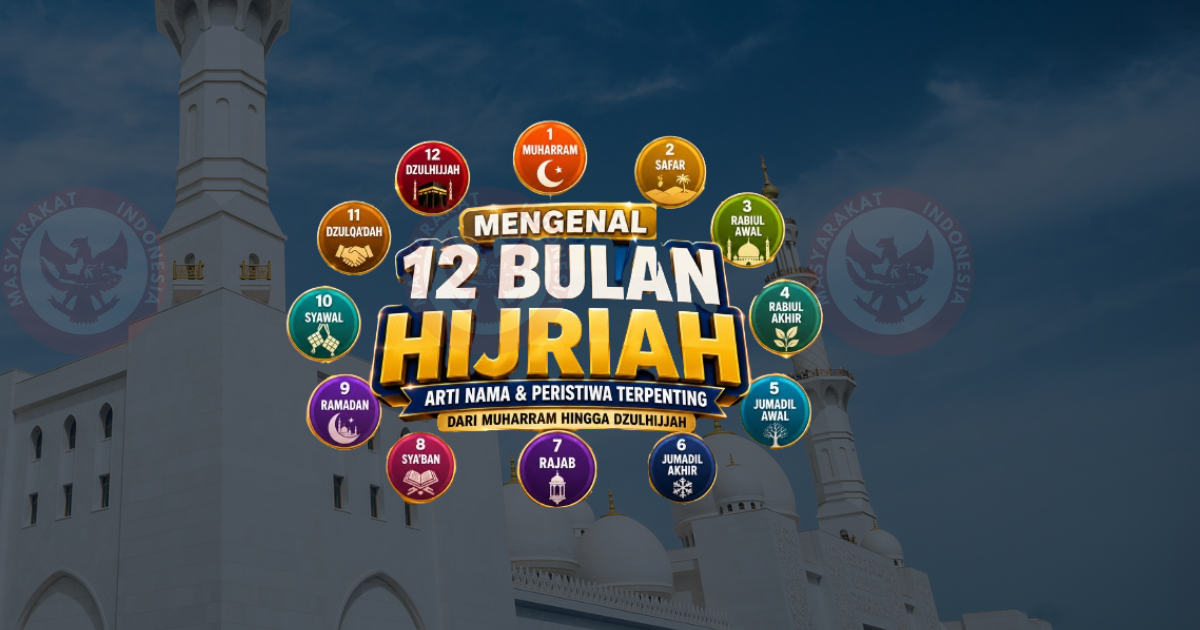
Islamic
12 Months in the Hijri Calendar: Names, Meanings, Virtues, and the Key Events Within Them
Why Do We Need to Know the Hijri Calendar?
The Hijri calendar is not only about knowing when Ramadan begins.
It is part of the identity and history of the Muslim community.
By getting to know it, we will better understand why Muharram is honored, why Ramadan is so special, why Dhul-Hijjah is the month of Hajj, and why Rabi' al-Awwal is so closely tied to the story of the Messenger of Allah ﷺ.
More importantly, the Hijri calendar teaches that time in Islam always carries an opportunity to draw closer to Allah.
There is a month for fasting more often.
There is a month that reminds us of the Messenger of Allah ﷺ.
There is a month that brings us to the Qur'an.
There is a month that brings millions of people toward Arafat.
And all of it turns within a single cycle:
Muharram → Safar → Rabi' al-Awwal → Rabi' al-Akhir → Jumada al-Ula → Jumada al-Akhirah → Rajab → Sha'ban → Ramadan → Shawwal → Dhul-Qa'dah → Dhul-Hijjah.
Then everything returns to Muharram again.
Years change, months change, but one thing stays the same:
time that has passed will never return.
Islamic
Isra and Miraj: Remembering the Night Journey and the Importance of Prayer
Isra and Miraj commemorates the miraculous night journey of the Prophet Muhammad (peace be upon him). This event gave rise to the five daily prayers, the worship that connects a believer to Allah.