 Bahasa Indonesia
  English
  Türkçe
  Deutsch
  العربية
  中文
中文  Русский
  Español
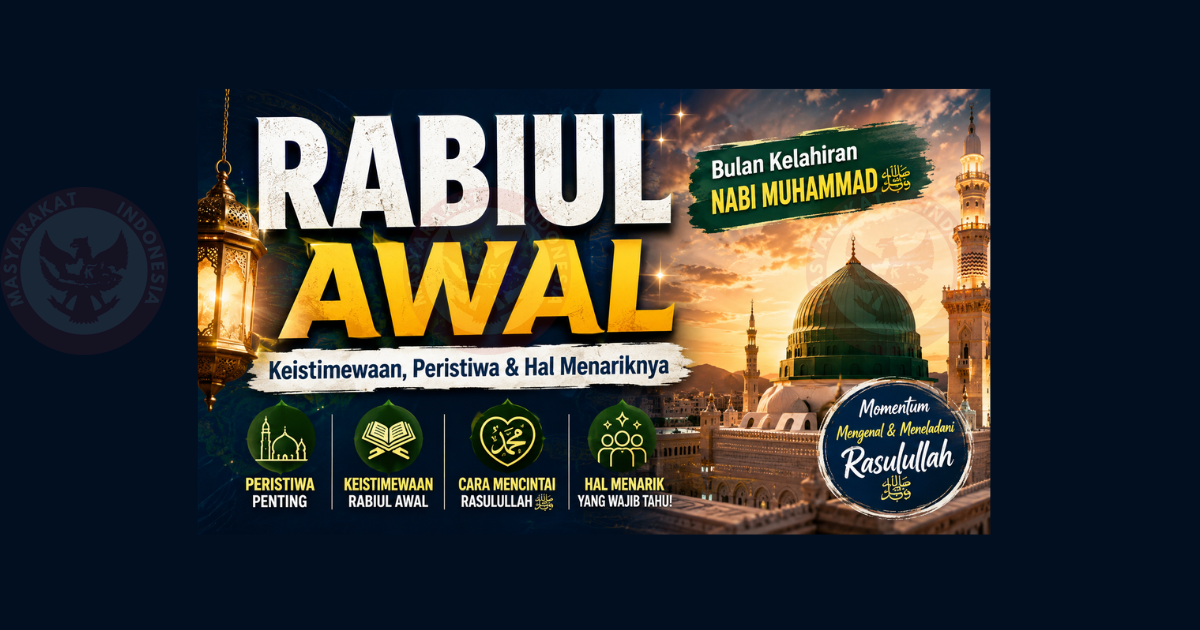
There are months in the Hijri calendar that immediately remind us of a particular event.
Ramadan reminds us of the revelation of the Qur'an.
Dhul-Hijjah reminds us of the hajj and the sacrifice of the Prophet Ibrahim عليه السلام.
And when Rabi' al-Awwal arrives, the hearts of Muslims once again remember the most beloved figure of all: the Prophet Muhammad ﷺ.
It turns out there are 6 interesting facts about Rabi' al-Awwal that you may not know yet
1. Rabi' al-Awwal means “the first spring”
Rabi' al-Awwal comes from the Arabic Rabī‘ al-Awwal. Rabī‘ means spring, while al-awwal means first. So, linguistically, Rabi' al-Awwal means the first spring.
There is also Rabi' al-Akhir, which means the second spring.
2. Rabi' al-Awwal does not always fall in spring
This is quite an interesting fact. Even though its name means the first spring, Rabi' al-Awwal today does not always occur in spring.
Why?
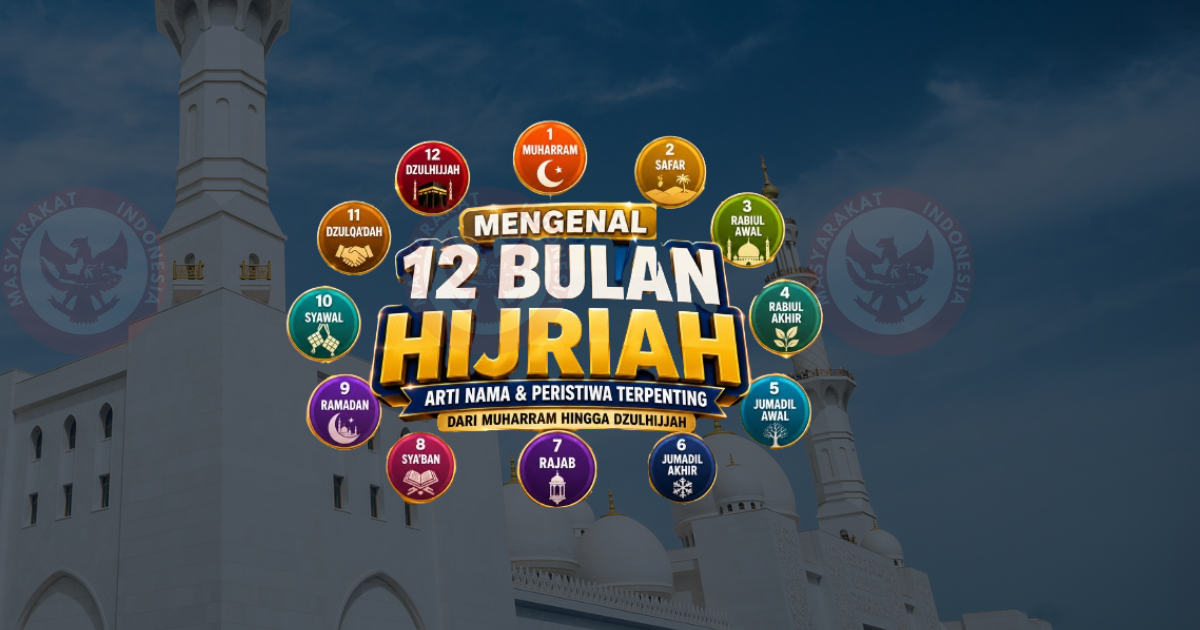
Because the Hijri calendar uses a lunar calendar system, while the Gregorian calendar uses a solar calendar. As a result, the Hijri months shift by about 10–11 days each year compared with the Gregorian calendar.
So Rabi' al-Awwal can occur in summer, autumn, winter, or spring.
3. The month connected with the birth of the Messenger of Allah ﷺ
Rabi' al-Awwal is widely known as the month of the birth of the Prophet Muhammad ﷺ. He was born in the city of Makkah to Abdullah bin Abdul Muthalib and Aminah binti Wahb.
As for the exact date of the birth of the Messenger of Allah ﷺ, there are several opinions in the historical literature. The 12th of Rabi' al-Awwal is a date that is very popular among Muslims, even though there are differences of opinion about how certain that date is.
4. Rabi' al-Awwal is connected with the hijrah of the Messenger of Allah ﷺ
Rabi' al-Awwal also has a connection with one of the greatest events in Islamic history: the hijrah of the Messenger of Allah ﷺ from Makkah to Madinah.
After a journey full of hardship, the Messenger of Allah ﷺ finally arrived in Madinah in the month of Rabi' al-Awwal.
The hijrah then became a symbol of great change in the history of the Muslim community.
5. Rabi' al-Awwal is also the month in which the Messenger of Allah ﷺ passed away
There is another side that makes Rabi' al-Awwal a deeply emotional month for Muslims.
The Messenger of Allah ﷺ passed away in Madinah in the year 11 AH.
And so, Rabi' al-Awwal is associated not only with his birth, but also with the passing of the noblest of human beings, the example for all Muslims.
6. Rabi' al-Awwal can become “the month of getting to know the Messenger of Allah ﷺ”
Rather than only knowing that Rabi' al-Awwal is the month of the birth of the Prophet Muhammad ﷺ, we can make it a moment to get to know his life more closely.
For example, by reading the sirah over 30 days.
The first day, studying the childhood of the Messenger of Allah ﷺ.
The next day, his character.
Then his family, his struggle in da‘wah, the hijrah, his leadership, and his life together with his companions.
In this way, Rabi' al-Awwal becomes not just a month we remember, but a month that brings us ever closer to the example of the Messenger of Allah ﷺ.

Comments (0) View in forum
Discuss this article in the community Ask questions, share your thoughts, and chat with other members.22 people have already joined this community. Join in to comment and like posts!
No messages yet — be the first.