
 Bahasa Indonesia
  English
  Türkçe
  Deutsch
  العربية
  中文
中文  Русский
  Español
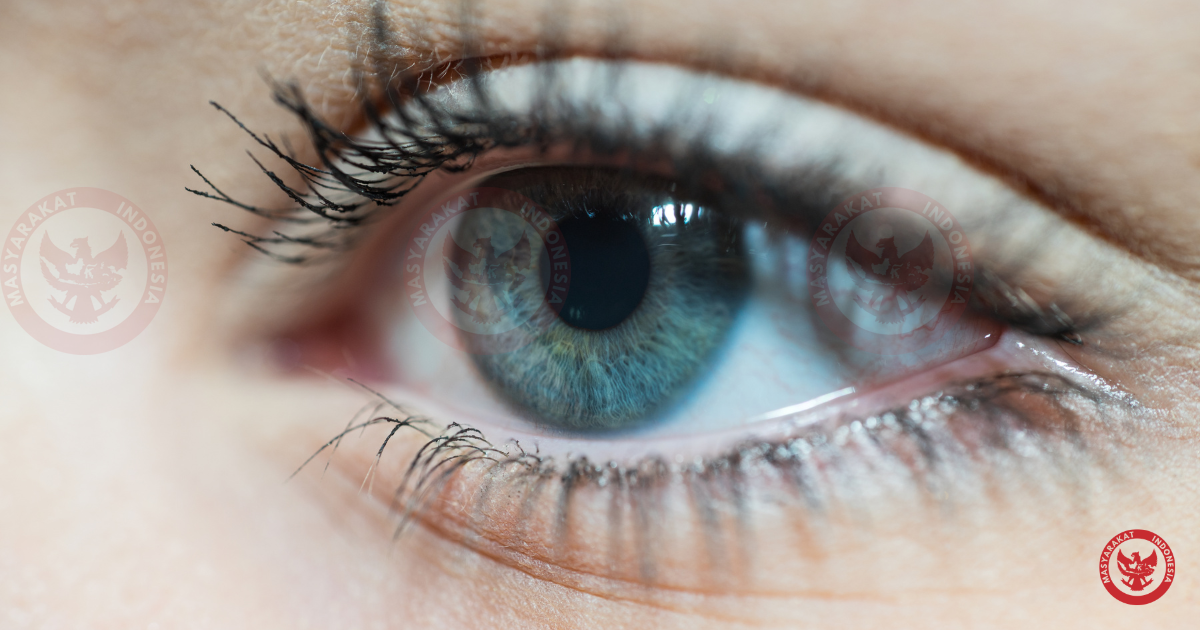
The eyes are among the most important organs in the body. Nearly 80% of daily activities—ranging from working, studying, and driving to simply enjoying the beauty around us—rely on our ability to see. Unfortunately, many people only realize the importance of eye health after experiencing vision problems.
Maintaining eye health is actually not difficult. By adopting simple daily habits, the risk of various eye diseases can be significantly reduced.
Why Is Eye Health Important?
The eyes function by capturing light and transmitting information to the brain, allowing us to see clearly. Eye function can decline with age or as a result of an unhealthy lifestyle.
Vision problems not only diminish quality of life but can also impact productivity, driving safety, and even mental health.
Causes of Eye Health Issues
Several factors can affect eye health, including:
- Staring at computer or mobile phone screens for too long.
- Unprotected exposure to ultraviolet (UV) rays.
- Lack of sleep.
- A diet low in vitamins and antioxidants.
- Smoking.
- Diabetes and high blood pressure.
- Hereditary factors.
Tips for Maintaining Eye Health
1. Follow the 20-20-20 Rule
If you frequently work in front of a screen, use the 20-20-20 rule. Every 20 minutes, shift your gaze to an object about 20 feet (6 meters) away for 20 seconds. This helps reduce eye strain.
2. Eat Nutritious Foods
Good nutrition plays a vital role in eye health. Recommended foods include:
- Carrots
- Spinach
- Broccoli
- Salmon
- Eggs
- Oranges
- Almonds
These foods contain vitamin A, vitamin C, vitamin E, lutein, zeaxanthin, and omega-3 fatty acids, which help maintain the function of the retina and the lens of the eye.
3. Wear Sunglasses
When outdoors, wear sunglasses that block 99–100% of UVA and UVB rays. Long-term exposure to UV rays can increase the risk of cataracts and retinal damage.
4. Get Enough Rest
Lack of sleep can cause eyes to become dry, red, and easily fatigued. Adults are advised to get about 7–9 hours of sleep each night.
5. Avoid Rubbing Your Eyes
Rubbing your eyes with dirty hands can transfer bacteria or viruses to your eyes, increasing the risk of infection.
6. Use Good Lighting
When reading or working, ensure the room has adequate lighting so your eyes do not have to work too hard.
7. Get Regular Eye Exams
Periodic eye examinations help detect disorders early, including glaucoma, cataracts, and refractive errors such as nearsightedness and farsightedness.
Eye Problem Symptoms You Should Not Ignore
Consult a doctor immediately if you experience:
Sudden blurred vision. Severe eye pain. Flashes of light or numerous dark spots. Persistent red eye. Double vision. Partial loss of the visual field.
Early treatment can prevent more serious eye damage.
Common Eye Conditions
Some frequently encountered eye conditions include:
- Nearsightedness (myopia)
- Farsightedness (hyperopia)
- Astigmatism
- Cataracts
- Glaucoma
- Dry eye
- Conjunctivitis (pink eye)
- Diabetic retinopathy
Each condition has different causes and treatments, making a professional medical diagnosis essential.
Conclusion
Maintaining eye health is a long-term investment in your quality of life. Start by reducing continuous screen time, eating a nutritious diet, using UV protection, and getting regular eye check-ups. With these simple habits, you can preserve your eye health well into old age.



Comments (0) View in forum
Discuss this article in the community Ask questions, share your thoughts, and chat with other members.22 people have already joined this community. Join in to comment and like posts!
No messages yet — be the first.