 Bahasa Indonesia
  English
  Türkçe
  Deutsch
  العربية
  中文
中文  Русский
  Español
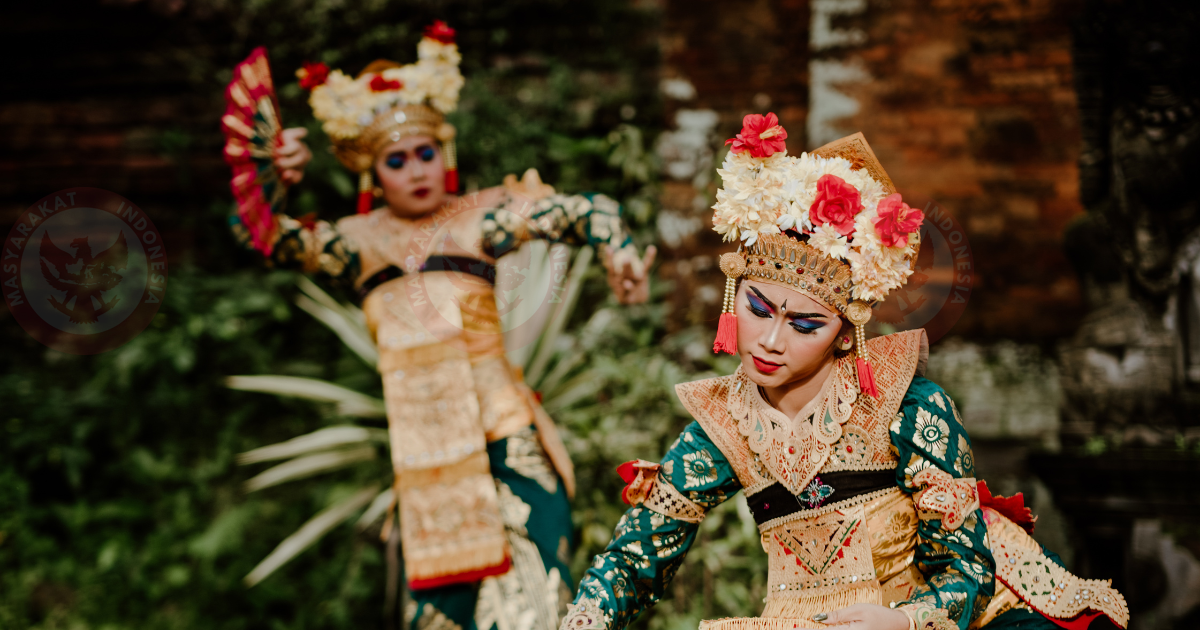
Indonesia is known as the country with the greatest cultural diversity in the world. Made up of more than 17,000 islands and hundreds of ethnic groups, this country holds a wealth of traditions, languages, arts, and customs of priceless value. What makes it remarkable is that, amid the onslaught of modernization and globalization, much of Indonesia's cultural heritage has not died out; instead, it keeps adapting and finding new ways to stay relevant for today's generation.
Cultural Heritage That Keeps Enduring
1. Batik: From Traditional Cloth to a Global Fashion Icon
Batik is not merely patterned cloth; it is a symbol of identity and of the Indonesian people's philosophy of life. Ever since UNESCO recognized it as Intangible Cultural Heritage in 2009, batik has become increasingly widely known. Today, batik is not only worn at formal events but has also been transformed into part of contemporary fashion, combined with modern styles of dress by young designers and international labels alike.
2. Wayang: A Performing Art That Adapts to Technology
Wayang kulit and wayang golek have served as a medium of both entertainment and moral education for centuries. Although interest among young people declined for a time, this art form is now making a comeback through hybrid performances, collaborations with modern music, and digital content on social media platforms that make wayang more accessible to Generation Z.
3. Oral Traditions and Regional Languages
Indonesia has more than 700 regional languages, each carrying folktales, pantun, and local wisdom passed down orally. Although some regional languages are threatened with extinction, various communities and institutions are now actively documenting these oral traditions through books, podcasts, and digital archives so they remain preserved for generations to come.
4. Customary Ceremonies and Gotong Royong
Even as society grows more urban, many customary ceremonies such as Ngaben in Bali, Rambu Solo in Toraja, or Sekaten in Yogyakarta are still preserved with reverence. The value of gotong royong that forms the spirit of these ceremonies is also still felt in people's social life, although its forms are now more varied, for example through online social movements or volunteer communities.
How Indonesian Culture Adapts to the Times
The strength of Indonesian culture lies in its ability to adapt without losing its essence. Some of the factors supporting this endurance include:
- Digitalization of culture — many traditions are now documented and promoted through social media, cultural heritage websites, and streaming platforms.
- Cultural education in schools — local content subjects and traditional arts extracurriculars help young people get to know their cultural roots from an early age.
- Cultural tourism — tourism villages and cultural festivals open up new economic opportunities that also preserve traditions.
- Cross-generational collaboration — young artists are starting to blend traditional elements with contemporary styles, such as gamelan music combined with electronic music or batik motifs in streetwear design.
Why Is Preserving Culture Important?
Preserving culture does not mean rejecting change; it means safeguarding the roots of the nation's identity so they are not swallowed up by the current of globalization. A living culture gives a sense of belonging, strengthens unity amid diversity, and becomes a source of pride as well as of Indonesia's appeal in the eyes of the world.
Closing
Indonesia's cultural wealth is proof that tradition and modernity can go hand in hand. With a creative and adaptive spirit of preservation, this ancestral heritage will keep on living, not as a memory of the past, but as an identity that keeps developing along with the times.
Comments (0) View in forum
Discuss this article in the community Ask questions, share your thoughts, and chat with other members.25 people have already joined this community. Join in to comment and like posts!
No messages yet — be the first.